
Séjours & Hôtels à Tanger
Découvrez les meilleures offres d’hôtels et séjours tout compris à Tanger, sélectionnées par nos experts pour des vacances inoubliables.
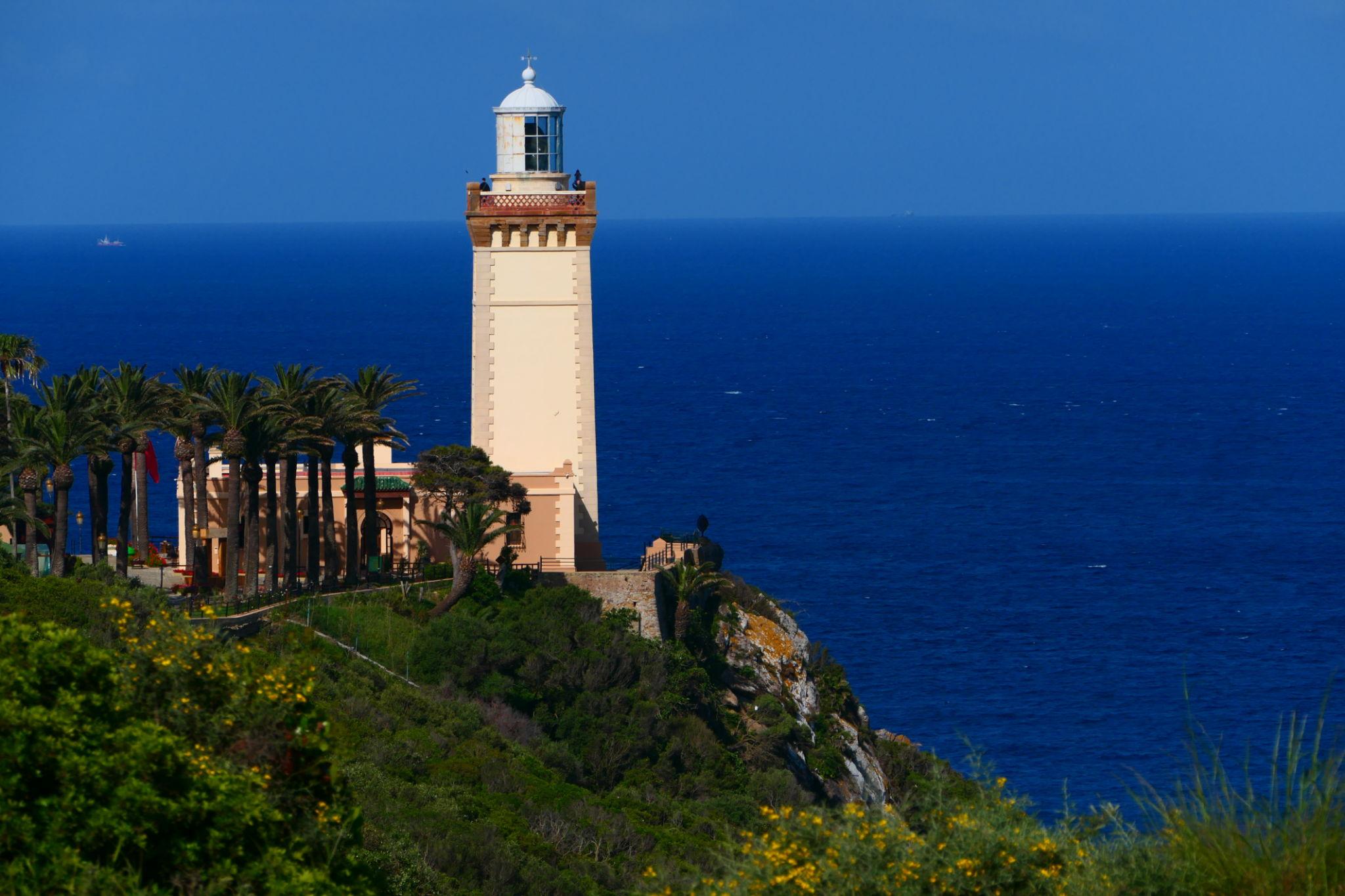
<h2>Tangier: Mediterranean Crossroads of Cultures</h2> <p>Perched at Africa's northernmost edge where the <strong>Mediterranean Sea</strong> meets the <strong>Atlantic Ocean</strong>, Tangier occupies a unique position as Morocco's gateway to Europe. For centuries, this strategic location just <strong>14 kilometers from the Spanish coast</strong> has shaped the city's identity as an international crossroads where continents, seas, cultures, and languages converge. This cosmopolitan history has created a city unlike any other in Morocco—one that embraces both its <strong>African roots and European connections</strong>.</p> <p>Tangier's storied past reads like a who's who of Mediterranean civilizations. Founded by <strong>Phoenician traders in the 10th century BC</strong>, the city subsequently fell under the control of Carthaginians, Romans, Vandals, Byzantines, and various Islamic dynasties. Perhaps its most unusual chapter came during the first half of the 20th century when Tangier was designated an <strong>International Zone</strong> jointly administered by France, Spain, Britain, and other European powers. This period of internationalization, from <strong>1923 to 1956</strong>, transformed the city into a playground for the wealthy, a haven for spies during World War II, and a magnet for artists and writers seeking inspiration in its unique atmosphere.</p> <p>The <strong>literary and artistic legacy</strong> of Tangier remains one of its most compelling aspects. During the mid-20th century, the city attracted a remarkable collection of Western literary figures including <strong>Paul Bowles, William Burroughs, Allen Ginsberg,</strong> and <strong>Tennessee Williams</strong>. These authors found in Tangier's labyrinthine medina, bustling cafés, and cultural complexity the perfect setting for creative exploration. Their presence, alongside notable Moroccan writers like <strong>Mohamed Choukri</strong>, created an intellectual scene that continues to inspire visitors today. The <strong>American Legation Museum</strong>, housed in America's first overseas diplomatic post established in 1821, documents this literary history alongside exhibitions on Moroccan-American relations and traditional arts.</p> <p>The architectural landscape of Tangier reflects its <strong>multicultural heritage</strong>. The dense medieval <strong>medina</strong>, with its narrow winding streets and whitewashed buildings trimmed in Mediterranean blue, climbs up the hillside from the port. Within this ancient quarter, visitors discover the <strong>Kasbah</strong>, a fortified citadel offering spectacular views across the Strait of Gibraltar to Spain. The <strong>Grande Mosquée</strong> and <strong>Petit Socco</strong> serve as the traditional heart of the old city. Beyond the medina walls, the <strong>Ville Nouvelle</strong> showcases French colonial architecture along broad avenues, while the former diplomatic quarter features grand mansions that housed representatives from various nations during the International Zone period.</p> <p>Tangier's beaches rank among the most beautiful in northern Morocco. The <strong>Bay of Tangier</strong>, with its crescent of golden sand stretching along the city's edge, offers magnificent views and refreshing Mediterranean waters. To the east, the beaches become more dramatic as they meet the <strong>Rif Mountains</strong>, while to the west, the coastline features wilder Atlantic shores. The newly developed <strong>Tangier Marina and waterfront promenade</strong> have revitalized the city's relationship with the sea, creating attractive public spaces where locals and visitors gather to enjoy the cooling breezes and stunning vistas.</p> <p>Modern Tangier is experiencing a remarkable <strong>renaissance</strong>. The massive <strong>Tanger-Med port complex</strong>, one of Africa's largest ports, has reinforced the city's historical role as a commercial crossroads. New high-speed rail links have cut travel time to Casablanca to just over <strong>two hours</strong>. Luxury developments and restored historical properties have transformed the urban landscape, though pockets of authentic local life remain strong in neighborhoods less frequented by tourists. This balance between <strong>preservation and development</strong> creates a dynamic energy that defines contemporary Tangier.</p> <p>The <strong>culinary scene</strong> in Tangier reflects both its Moroccan foundations and international influences. Fresh seafood dominates local menus, often prepared with traditional Moroccan spices and Mediterranean flavors, creating a distinctive cuisine that mirrors the city's position at the crossroads of cultures.</p>
agency.noHotelsFound
agency.noContractedHotels